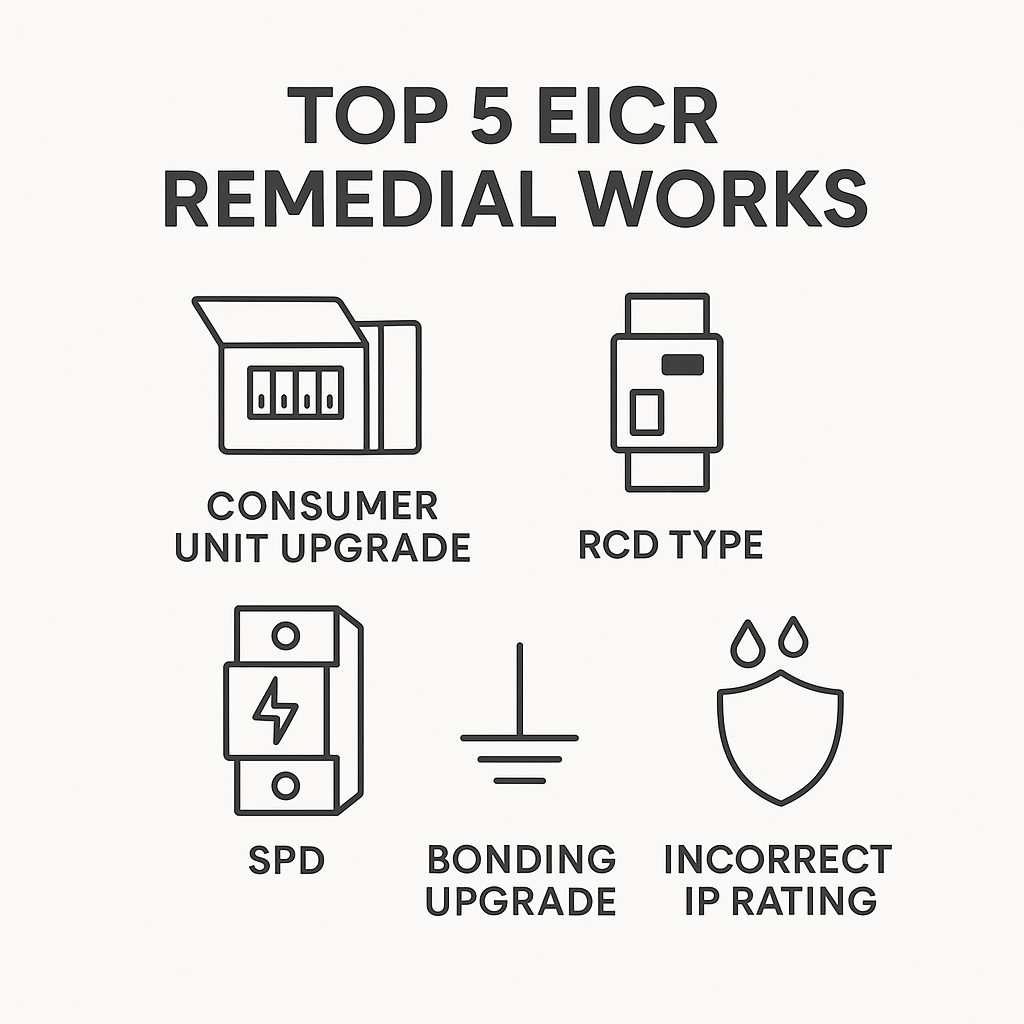

Common EICR Remedial Works Explained: A Guide for Homeowners & Landlords
EICRs often identify issues that require remedial work to bring an installation up to a safe and compliant standard. This guide explains the most common remedial findings, what they mean, and what homeowners and landlords should expect next.
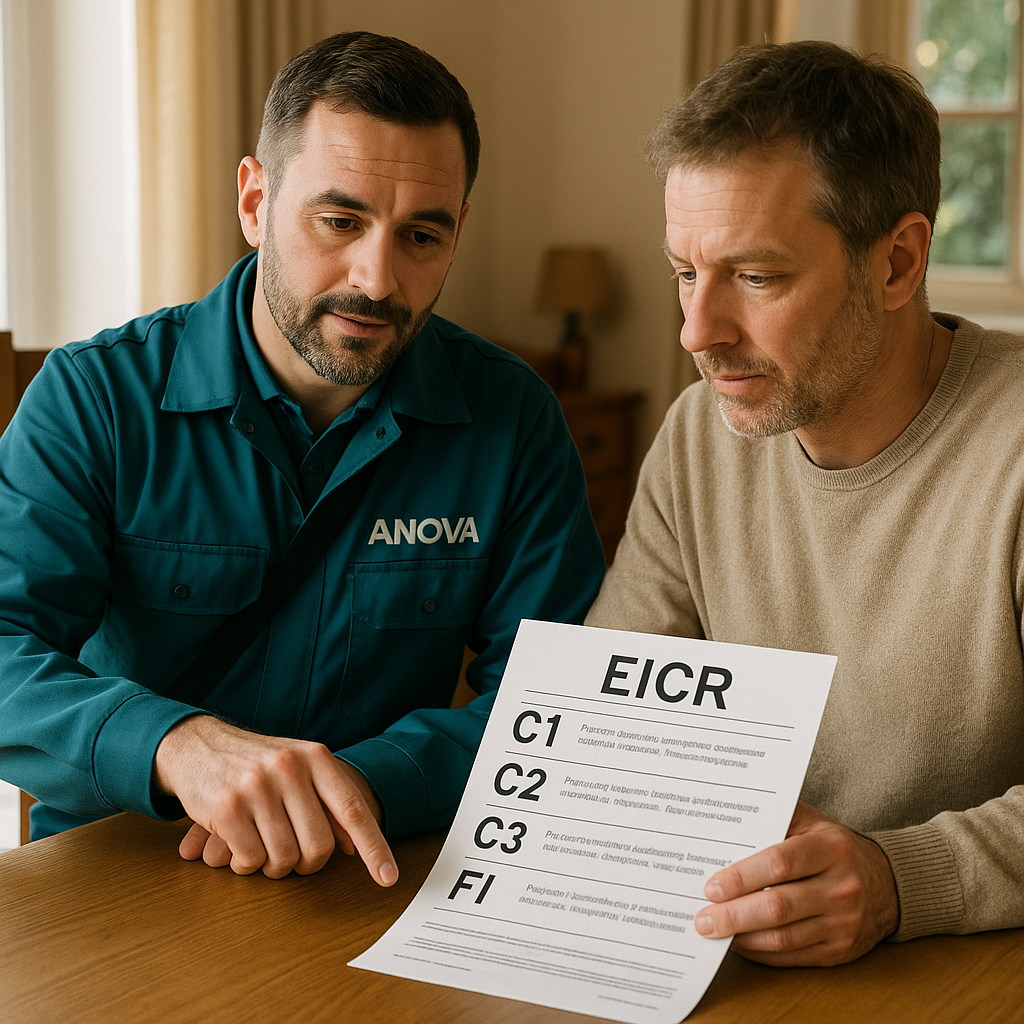
What Happens After Your EICR? A Clear Guide for Homeowners & Landlords
If you’ve recently completed an EICR, you may be wondering what comes next — especially if the report contains C1, C2 or FI codes. This guide explains the full post-EICR process for homeowners and landlords, from understanding your results to...
EICR Remedial Works Explained – Understanding Your Electrical Report
A new consumer unit will keep your home or rental property safe for years but only if it’s maintained correctly. This guide explains how to look after your board, when to get it tested, and the warning signs you should...

This One Electrical Report Could Save You Thousands in Fines
Metal consumer units are now required for new installations under the 18th Edition of BS 7671. But homeowners and landlords aren’t legally required to replace older plastic units — unless there are safety risks. This post explains when an upgrade...

Do I Need a Metal Consumer Unit? A Guide to the 18th Edition Fire Safety Rules
Metal consumer units are now required for new installations under the 18th Edition of BS 7671. But homeowners and landlords aren’t legally required to replace older plastic units — unless there are safety risks. This post explains when an upgrade...
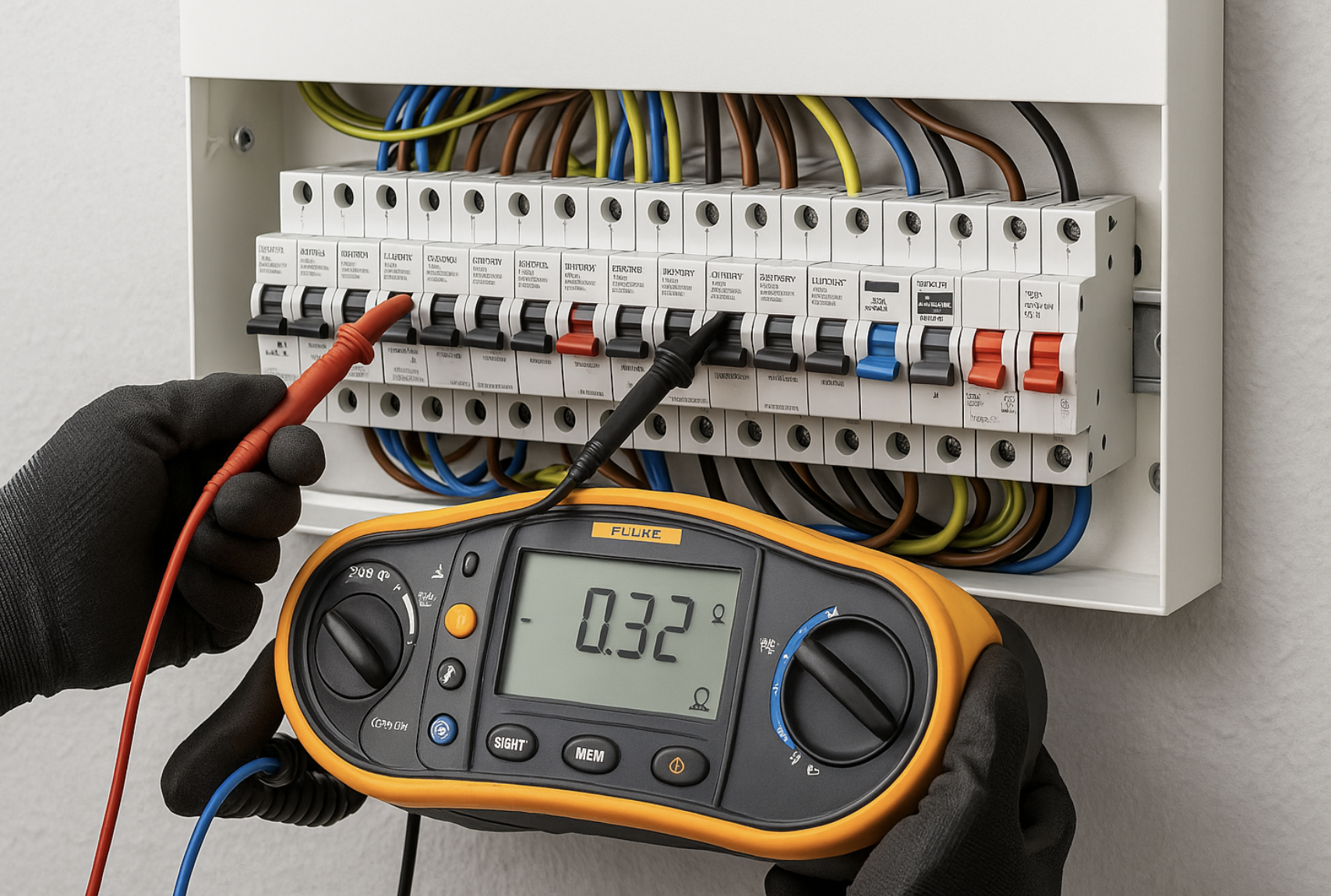
Remedial Work Explained: What Happens After an Unsatisfactory EICR?
An “unsatisfactory” EICR doesn’t mean your property has failed — it simply means improvements are recommended. This post explains what C1, C2, C3, and FI codes mean, what you’re responsible for, and how Anova supports you with clear quotes and...